

In the modern era of advertising, brands are no longer competing only on product quality or price. They are competing for attention, emotion, and memory.
Consumers today are surrounded by marketing messages across digital platforms, television, and social media. In this environment, traditional advertisements often fail to capture meaningful engagement.
This is why cinematic brand films have become one of the most powerful tools in modern marketing.
Cinematic brand films go beyond traditional advertising. They combine storytelling, visual artistry, and emotional narrative to create content that feels more like a short film than an advertisement.
Instead of interrupting audiences with promotional messages, cinematic brand films invite them into a story.
This approach represents a major shift in modern marketing:
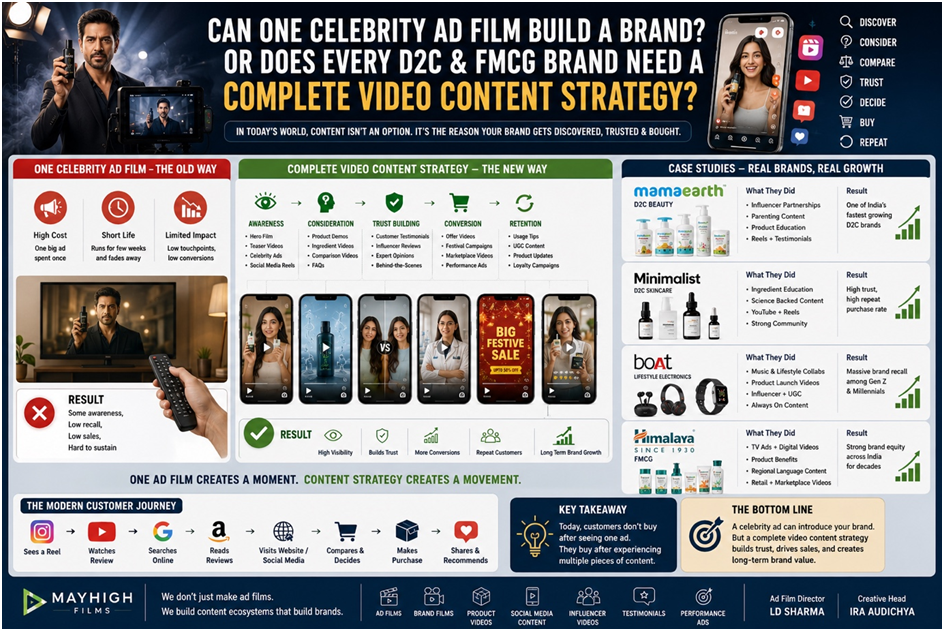
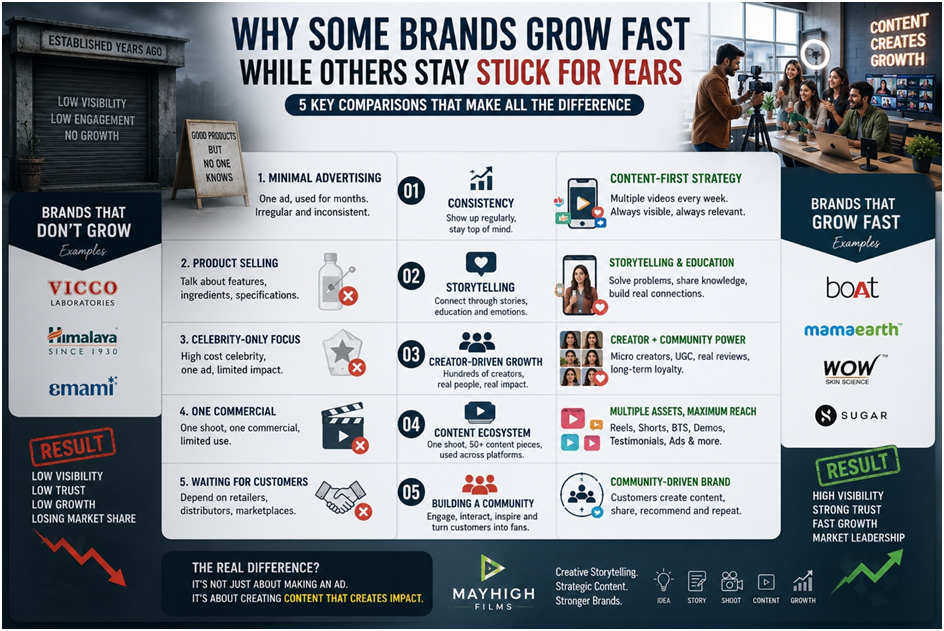
We Don’t Just Create Ads. We Build Brands
Through cinematic storytelling, brands create experiences that audiences remember and emotionally connect with.
What Are Cinematic Brand Films?
Cinematic brand films are advertising films that use filmmaking techniques to communicate brand stories.
Unlike traditional commercials that focus on product features or promotional messages, cinematic brand films emphasize narrative, emotion, and visual storytelling.
These films often include elements commonly found in cinema, such as:
- strong narrative structure
• character-driven storytelling
• cinematic visuals
• atmospheric lighting
• carefully composed frames
• emotional music and sound design
The goal is not simply to promote a product but to create a story that represents the brand’s identity.
Through this process, marketing evolves From Product To Brand.
Why Cinematic Storytelling Works in Advertising
Storytelling is one of the most powerful ways to communicate ideas.
Human beings naturally respond to narratives because stories help people understand experiences, emotions, and meaning.
When advertising adopts cinematic storytelling techniques, it creates deeper audience engagement.
Instead of delivering promotional messages directly, the story allows the audience to experience the brand in a more natural way.
This emotional engagement leads to several marketing benefits:
- stronger brand recall
• deeper emotional connection
• higher audience engagement
• increased content sharing
• stronger brand identity
This is why cinematic storytelling has become a central strategy in brand storytelling.
The Evolution of Advertising Films
Advertising has evolved significantly over the past few decades.
Earlier advertising campaigns often focused on product information and promotional messaging.
However, as consumer behavior changed, brands began exploring more creative ways to communicate with audiences.
This shift led to the rise of ad film storytelling.
Instead of producing simple advertisements, brands started creating short films that told compelling stories around their products.
These advertising films were designed to entertain, inspire, and emotionally engage audiences.
Today, cinematic brand films represent one of the most advanced forms of storytelling in advertising.
Visual Language in Cinematic Brand Films
One of the defining characteristics of cinematic brand films is their visual language.
Every frame in a cinematic advertisement is carefully designed to communicate mood, emotion, and brand identity.
Elements such as lighting, color, camera movement, and production design contribute to the storytelling experience.
For example:
Soft lighting and warm tones may convey comfort and intimacy.
Dynamic camera movement may create energy and excitement.
Minimalist compositions may reflect luxury and sophistication.
These visual choices shape how audiences perceive the brand.
This is why cinematic advertising requires strong creative direction and visual expertise.
The Role of Emotion in Cinematic Advertising
Emotion is at the heart of cinematic brand films.
Consumers rarely develop loyalty to products based solely on features or technical specifications.
Instead, they connect with brands that evoke emotional experiences.
Cinematic brand films use storytelling techniques to create these emotional moments.
A powerful narrative may evoke feelings such as:
- inspiration
• confidence
• nostalgia
• happiness
• aspiration
• comfort
When audiences experience these emotions while watching a brand film, they begin associating those feelings with the brand itself.
This emotional connection is one of the most powerful drivers of brand loyalty.
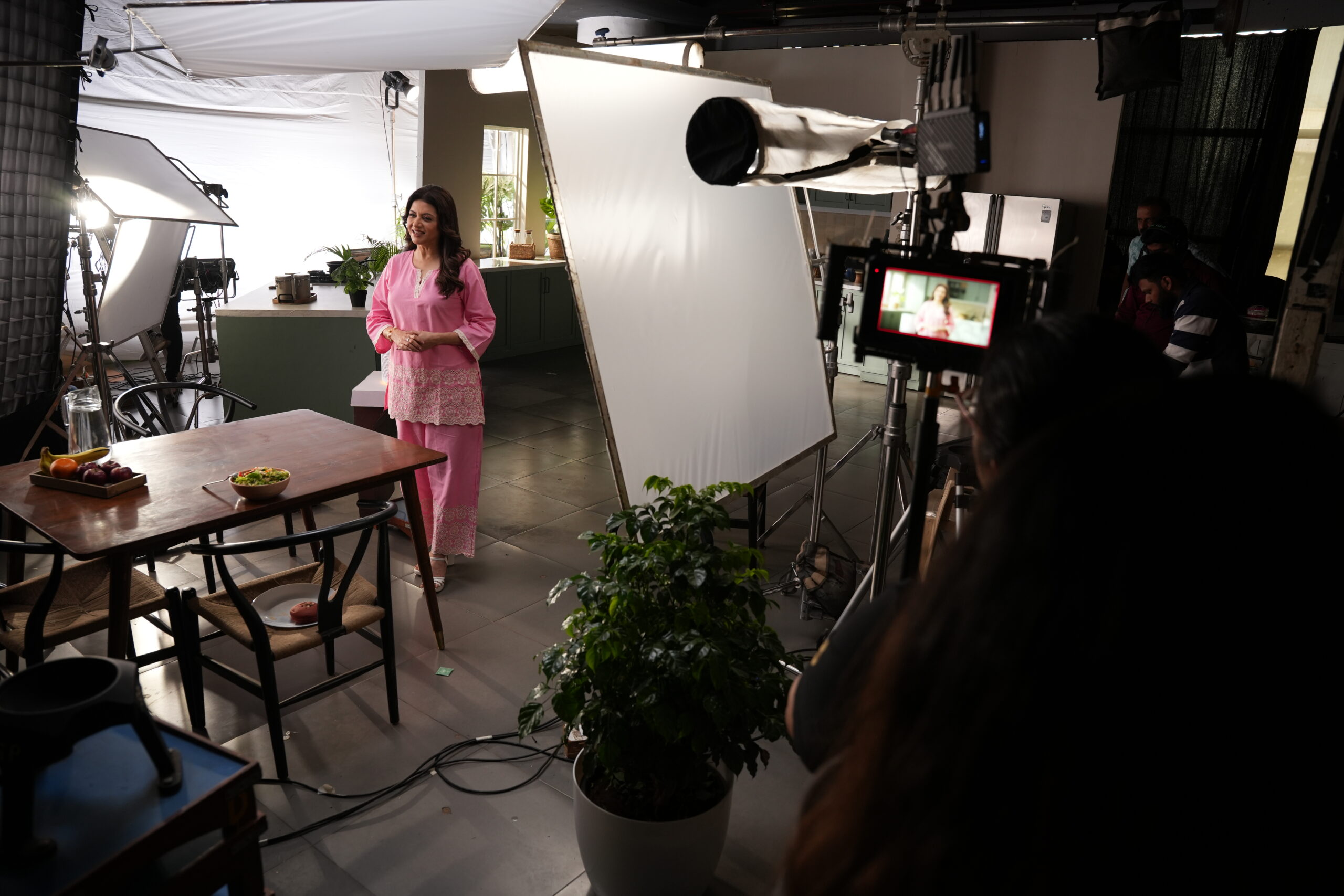
Celebrity Storytelling in Cinematic Campaigns
Celebrities often play a significant role in cinematic brand films.
A well-known personality can attract immediate attention and enhance the campaign’s visibility.
However, in cinematic storytelling, celebrities are not just endorsers.
They become characters within the narrative.
This approach allows celebrities to participate in meaningful stories that reflect the brand’s identity.
When executed effectively, celebrity storytelling creates powerful audience engagement.
This is why many brands collaborate with a celebrity ad film production company that specializes in cinematic storytelling.
By combining celebrity presence with narrative storytelling, brands create campaigns that audiences remember.
Cinematic Advertising and Digital Platforms
Digital platforms have dramatically increased the importance of video storytelling.
Consumers today spend significant time watching online video content across platforms such as YouTube, Instagram, and streaming services.
This shift has created new opportunities for brands to communicate through cinematic storytelling.
Cinematic brand films are highly effective in digital environments because they resemble entertainment content rather than traditional advertisements.
Audiences are more likely to watch, share, and engage with these films.
This makes cinematic storytelling a key component of ROI Driven Video Marketing strategies.
Why MSMEs Should Invest in Cinematic Brand Films
Cinematic storytelling is often associated with large brands, but it can also be extremely powerful for small and medium businesses.
MSMEs often struggle to stand out in crowded markets where larger brands dominate advertising space.
Cinematic brand films offer smaller businesses a way to differentiate themselves through creativity and storytelling.
A compelling brand film can help MSMEs:
- build trust with audiences
• create memorable brand identity
• compete with larger brands
• increase digital visibility
• strengthen brand perception
This is why many businesses collaborate with a brand film agency for MSME to develop cinematic storytelling campaigns.
With the right concept and execution, even smaller brands can create powerful advertising films.
The Role of Creative Production Companies
Creating cinematic brand films requires a combination of filmmaking expertise and marketing strategy.
The best ad film production company India today plays a critical role in shaping brand communication.
These companies help brands transform marketing ideas into cinematic narratives.
Their work often includes:
- concept development
• narrative design
• visual storytelling
• celebrity collaborations
• high-end production
Through this process, advertising becomes a creative and strategic brand-building tool.
The Mayhigh Films Approach
In today’s evolving marketing landscape, brands need creative partners who understand both storytelling and business strategy.
Companies like Mayhigh Films focus on helping businesses create cinematic brand stories that connect with audiences emotionally.
Instead of producing traditional advertisements, the focus is on crafting narratives that reflect the brand’s identity and purpose.
This approach is built around five core principles.
Premium Creative Storytelling
Developing powerful narratives that create emotional engagement.
Celebrity + Content Strategy
Integrating celebrity presence within compelling storytelling frameworks.
ROI Driven Video Marketing
Creating advertising films that support measurable marketing objectives.
Growth Partner for MSMEs
Helping businesses build strong brand identities through strategic storytelling.
Product to Brand Transformation
Using cinematic storytelling to transform products into memorable brands.
Through this philosophy, creative studios become more than production companies.
They become Creative + Growth Partner for brands.
The Future of Cinematic Brand Films
As consumer expectations continue to evolve, cinematic storytelling will play an increasingly important role in advertising.
Audiences are drawn to content that feels authentic, visually engaging, and emotionally meaningful.
Brands that invest in cinematic storytelling will build stronger identities and deeper relationships with their audiences.
In the future of marketing, advertisements will increasingly resemble films rather than promotional messages.
Conclusion
Cinematic brand films represent the intersection of filmmaking and marketing.
Through brand storytelling and ad film storytelling, these films transform advertising into emotional experiences that audiences remember.
When storytelling is combined with cinematic visuals, celebrity integration, and strategic marketing thinking, advertising becomes a powerful tool for building strong brands.
In today’s competitive marketing environment, brands that invest in cinematic storytelling do more than promote products.
They create lasting brand experiences.