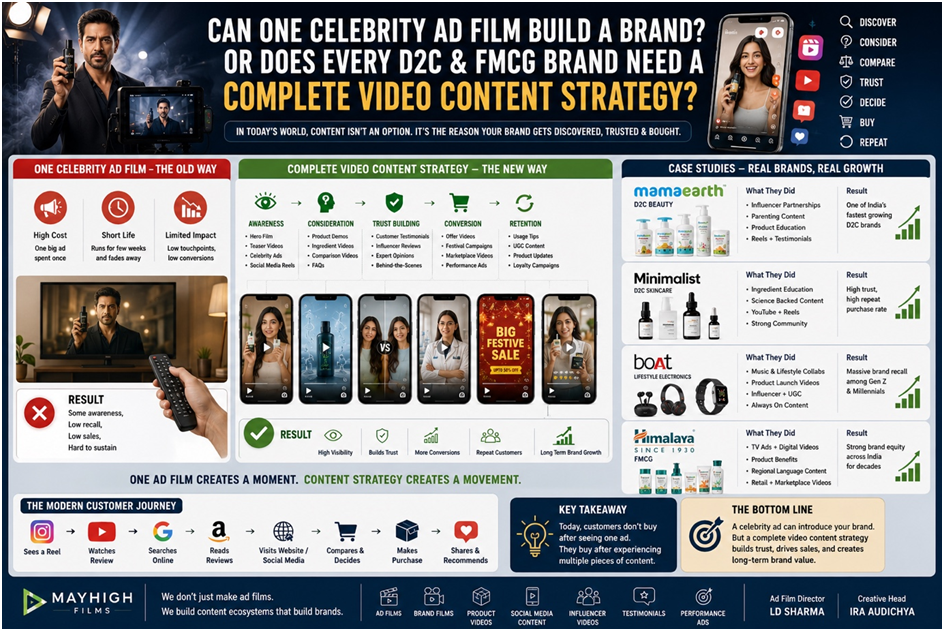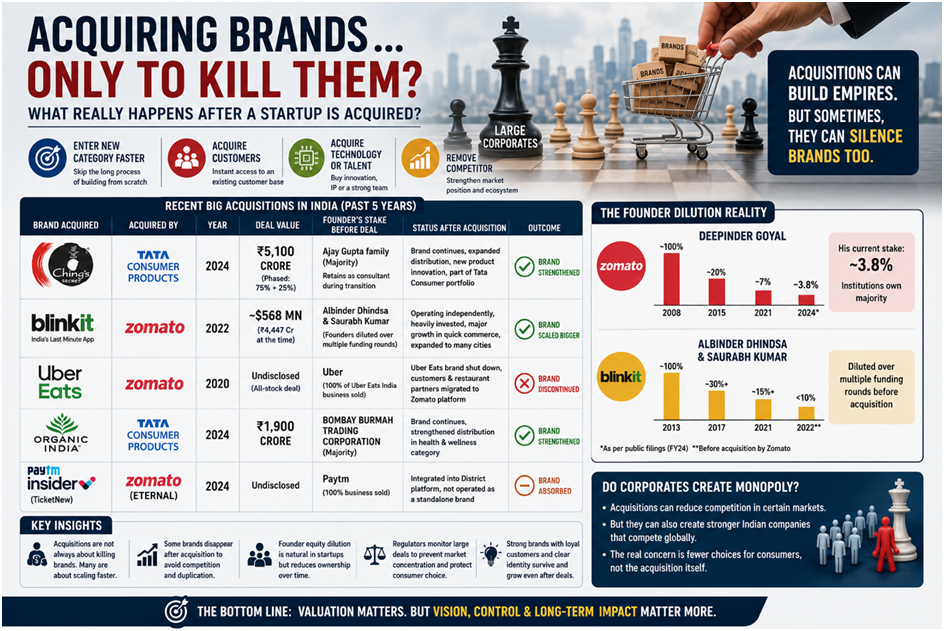

The Indian market has changed dramatically over the last five years. Earlier, brands became successful through distributor networks, television commercials, and retail visibility. Today, consumers discover brands on Instagram Reels, YouTube Shorts, influencer videos, podcasts, and creator-led content.
Interestingly, many startups launched in the last five years have grown faster than brands that have been in the market for over two decades.
The difference isn’t always the product.
The difference is how often customers see, remember, and engage with the brand.
Comparison 1: WOW Skin Science vs Vicco
Vicco has been a trusted Indian brand for decades. Its products are familiar across generations, but its digital presence has historically been more conservative.
On the other hand, WOW Skin Science invested aggressively in influencer collaborations, educational skincare videos, product demonstrations, and social media campaigns. The brand stayed constantly visible across digital platforms and quickly became one of India’s fastest-growing beauty brands.
Lesson: Visibility creates familiarity. Familiarity creates sales.
Comparison 2: boAt vs Zebronics
Zebronics has been present in the Indian electronics market for many years.
Then came boAt.
Instead of selling only earphones and speakers, boAt sold a lifestyle. Every week consumers saw influencer videos, athlete collaborations, creator content, music campaigns, unboxing videos, and short-form social media content.
Today, many young consumers recognize boAt before they recognize older competitors.
Lesson: People don’t buy products every day, but they consume content every day.
Comparison 3: Mamaearth vs Himalaya
Himalaya is one of India’s oldest and most respected personal care brands.
However, Mamaearth entered the market much later and quickly captured younger audiences through educational content, parenting stories, ingredient-focused videos, influencer partnerships, and digital-first campaigns.
The company didn’t just advertise products.
It built conversations around skincare and wellness.
Lesson: Modern consumers trust brands that educate them, not just brands that advertise.
Comparison 4: SUGAR Cosmetics vs Lotus Herbals
Lotus Herbals has enjoyed strong recognition for years in the Indian beauty market.
But SUGAR Cosmetics built a loyal digital community by creating makeup tutorials, beauty reels, influencer collaborations, creator reviews, and engaging short-form videos across Instagram and YouTube.
Instead of relying only on retail shelves, SUGAR focused on becoming part of customers’ daily social media feeds.
Lesson: Community is becoming more valuable than shelf space.
Comparison 5: Minimalist vs Older Skincare Brands
Many traditional skincare brands continued using conventional advertising and seasonal campaigns.
Minimalist, despite being a relatively new entrant, became one of India’s most talked-about skincare brands by producing educational content around ingredients like Niacinamide, Salicylic Acid, and Vitamin C. Instead of making promotional videos alone, the brand helped consumers understand skincare science.
Customers didn’t just purchase products.
They trusted the knowledge behind the products.
Lesson: Education has become one of the strongest forms of marketing.
The Common Pattern
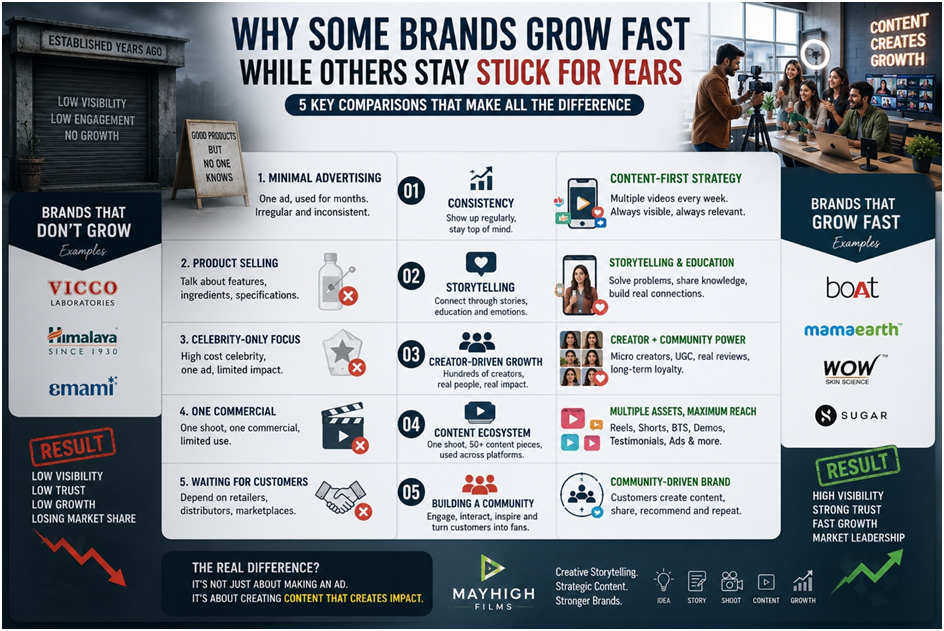
Every successful modern brand follows a similar strategy:
- They publish content consistently.
- They educate before they sell.
- They collaborate with creators.
- They create videos for every stage of the customer journey.
- They build communities instead of waiting for customers.
Older brands often rely on their legacy.
New brands build attention every single day.
And in today’s digital economy, attention is one of the most valuable business assets.
What Businesses Should Learn
A great product is no longer enough.
If customers don’t regularly see your brand on their phones, they will remember the brand they see every day.
Content has become today’s digital showroom.
The brands producing videos consistently are staying in consumers’ minds, while brands producing content occasionally are slowly losing visibility—even if they have decades of history.
The Mayhigh Films Perspective
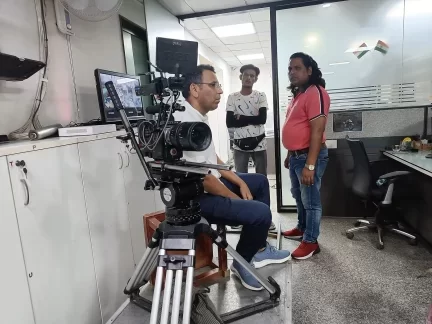
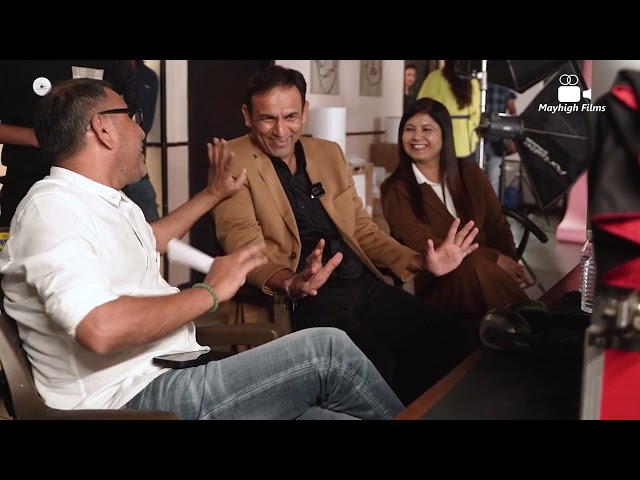
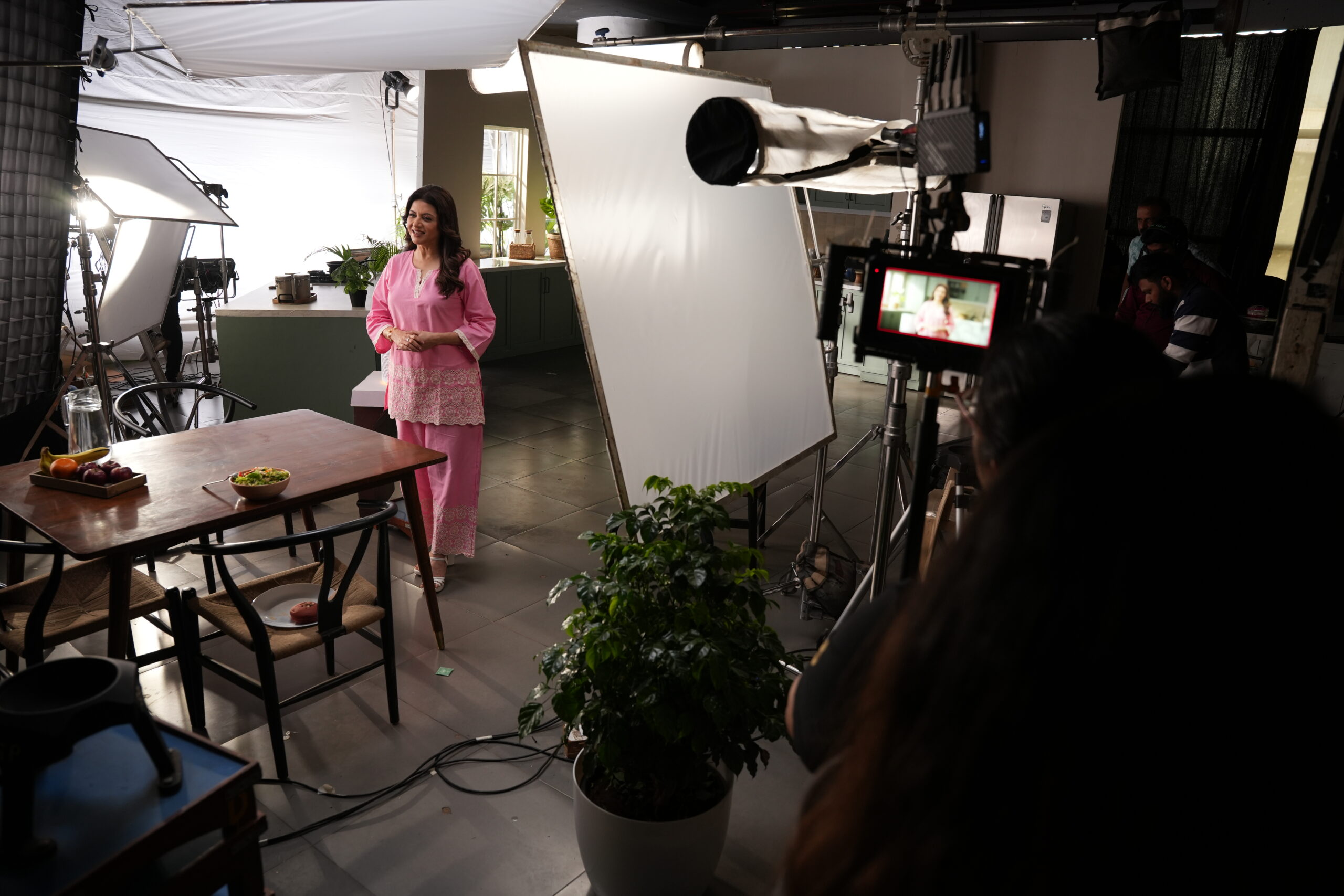
At Mayhigh Films, we believe successful advertising is no longer about creating one television commercial every year. Under the leadership of Ad Film Director LD Sharma and Creative Head Ira Audichya, campaigns are designed as complete content ecosystems—brand films, social media reels, product demonstrations, behind-the-scenes videos, founder stories, and educational content. The goal is simple: keep brands visible, relevant, and memorable every day.
Because in 2026, the brand that creates the most valuable content often becomes the brand customers remember first.